

Inter Miami have spent two years turning Fort Lauderdale into a global destination. On December 6, that chapter ends—not with a farewell party, but with unfinished business. The MLS Cup final against Vancouver is Miami’s chance to erase the one result that still stings.
Back in April, the Whitecaps didn’t just knock Miami out of the Concacaf Champions Cup. They embarrassed them. A 5–1 aggregate demolition, including a 3–1 second leg at this same stadium where Brian White and Pedro Vite scored in quick succession before Sebastian Berhalter finished the job.
For a club that treats home games like global media events, that night punctured the aura. Supporters have talked about this entire season as a long walk back to that moment. On fan boards, conversations about “lifting the cup at Chase” get tangled up with photos from the stadium’s opening match and memories of empty bleachers before Messi arrived.
The script has flipped. Miami return as Eastern Conference champions, hosting MLS Cup for the first time after outscoring Nashville, Cincinnati, and New York City FC by a combined 17–4 in the playoffs. Tadeo Allende’s hat trick in the 5–1 dismantling of NYCFC took him to eight postseason goals, tying Carlos Ruiz’s single-playoff record from 2002. Messi has 13 goal contributions—the most in any MLS playoff run.
This isn’t the team Vancouver dismantled in April. That night, Miami held the ball and did nothing with it. Vancouver dropped deep, waited, and punished every gap. This team is different. They’re sharper off the ball, more dangerous when they win it back. Allende has become the vertical threat the front line lacked early in the year—an Argentine who arrived as an intriguing loan from Celta Vigo and morphed into the player who stretches entire back lines. Now his name gets circled in red right next to Messi’s.
The last night in Fort Lauderdale
The setting amplifies everything. MLS Cup 2025 doubles as the final competitive match at Chase Stadium before Inter Miami relocate downtown to Miami Freedom Park. For regulars who lived through the DRV PNK days and the long wait for a permanent home, closing this chapter with a trophy has become its own rallying cry. A title Saturday would send the team across county lines with proof that the superclub project actually delivered.
Messi’s role in that story is impossible to ignore. At 38, he’s still scripting new numbers. His 405th career assist against NYCFC is believed to be another all-time record. Javier Mascherano, now head coach rather than the last-ditch defender at Messi’s side, sounded almost resigned trying to explain another dominant performance.
“Leo has accustomed us to the extraordinary,” Mascherano said. “He’s someone extraordinary, someone we’ll never see again. Today, perhaps we’re surprised that he didn’t score, but he gave us peace of mind with the third goal, an assist that only he can see. He practically sealed the game.”
Within the squad, that quote reads less like flattery and more like a job description. The structure around Messi has hardened since the Champions Cup exit. The back line looks less frantic. The midfield, anchored by Sergio Busquets and Federico Redondo, has accepted there will be long spells defending in their own half rather than playing exhibition football. When they break, they break with purpose.
None of that guarantees revenge.
Vancouver arrive with their own momentum and a fan base that has spent most of the year pinching itself. By spring, neutral observers were calling the Whitecaps the best team in MLS on form—a judgment backed by their deep Champions Cup run and a Western Conference campaign that blew past preseason expectations.
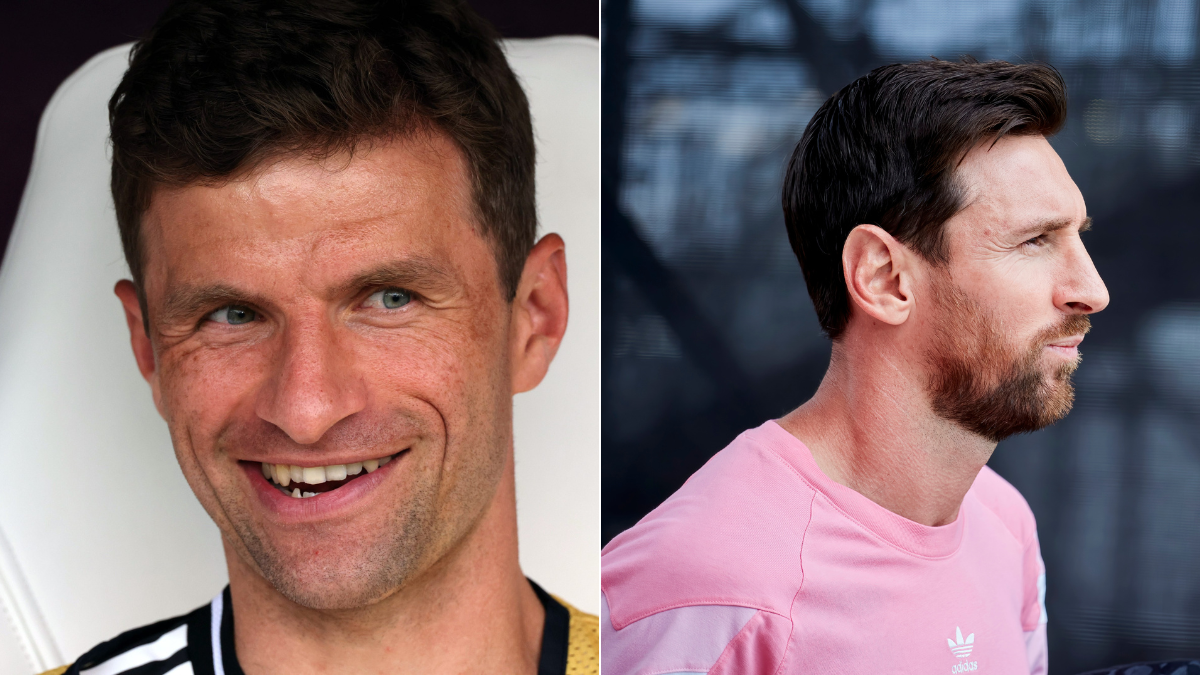
Brian White has become the face of that shift. A No. 9 whose brace in San Diego pushed Vancouver into their first MLS Cup, and whose five Champions Cup goals set the tone for that 5–1 aggregate against Miami. Around him, Jesper Sørensen’s side moves with cohesion that neutrals fall for. The Whitecaps get described as a team without obvious superstars, yet they can bring Thomas Müller off the bench as a roaming problem-solver. For Müller, this title tilt is a late-career bonus track.
Müller has tried steering the narrative away from the star duel. “It’s not about Lionel Messi against Thomas Müller, it’s Miami against the Whitecaps,” he said after the Western Conference final. “Maybe they rely a little bit more on him than we do on me, because we are such a good group, you know what I mean? The nice thing about it is not only playing against the greatest player who played our game and is still playing our game, it’s more that, I think, when you have a pairing like this, more people are watching.”
That line captures how this final splits opinion. One side wants to see Messi collect an MLS Cup alongside the World Cup and everything else—completing his American chapter in front of a stadium that has turned pink for him. The other side has developed genuine affection for Vancouver as the well-coached collective that keeps turning star-driven projects inside out. And among rival MLS fan bases, there’s the simple thrill of watching the league’s most polarizing superteam try to settle an old score.
By kickoff, tactical previews will focus on whether Miami can keep their fullbacks from getting dragged too high, whether the Whitecaps can spring White into space behind an aggressive line, how both coaches manage aging legs after long seasons. The emotional core is simpler: this is the last night at Chase Stadium, and the same Canadian side that walked out of this ground with a four-goal aggregate win now stands between Miami and the trophy they’ve built everything around.
For Miami, revenge isn’t a slogan. It’s the only way to close these doors and move on.
