

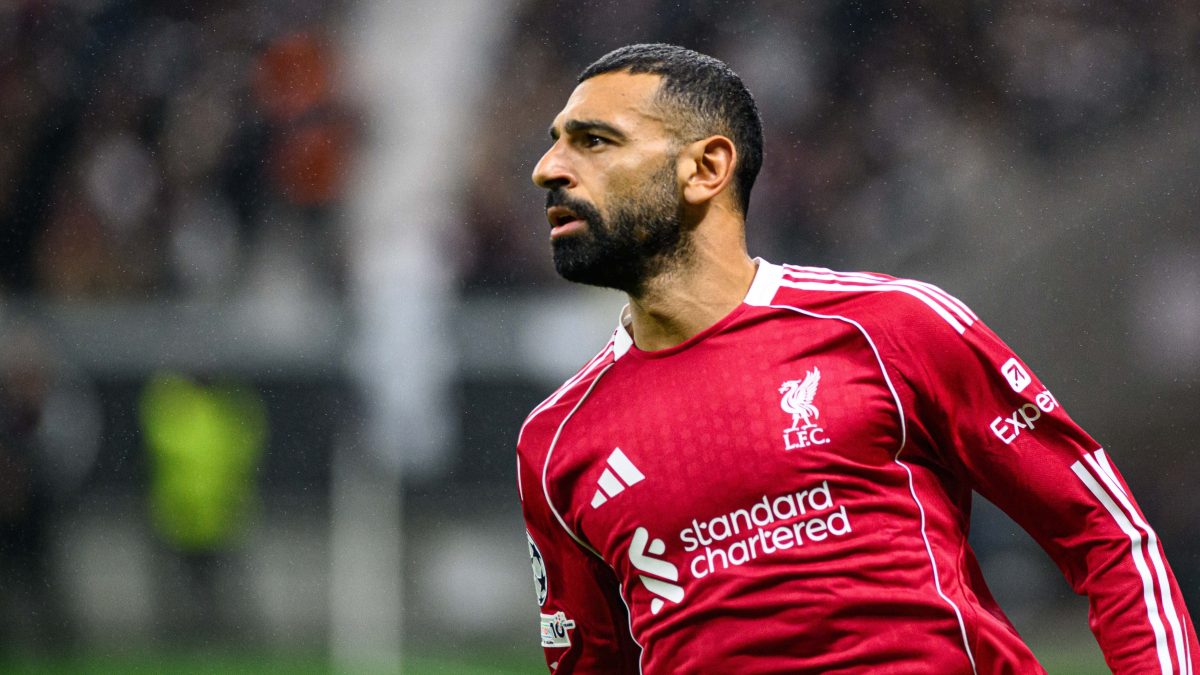
Back in April, Mohamed Salah seemed genuinely content and secure in his decision to stay with Liverpool. After signing a new contract, he shared with the club’s website that he felt “very, very happy to be here” and had faith that the team could “win a lot of big trophies together.” Yes, even more than the two EPL titles and Champions League Salah helped the club lift to date. Fast forward eight months, and he’s still with Liverpool, still making an impact, and still under contract until 2027. Yet, despite that stability, the confidence about what lies ahead has changed.
What changed is not a clause, it is tone. After Liverpool’s 3-3 draw at Leeds, Salah went public with language that is rarely used by a player who expects the situation to quietly resolve itself. “It seems like the club has thrown me under the bus,” he said. “I think it is very clear that someone wanted me to get all of the blame.” He also described the relationship with Arne Slot in stark terms: “Yeah, there’s no relationship between us.”
Those quotes matter because they take an internal dispute and turn it into a timeline. When a player says the problem is structural, not tactical, every selection decision becomes a referendum. In Salah’s case, it became immediate. Liverpool traveled to Milan for a Champions League match against Inter on December 9 and Salah was not in the squad, with Liverpool’s own match report listing the traveling group without him.
Four days later, the story bent again. Against Brighton at Anfield, Salah came on in the first half and supplied the corner that led to Hugo Ekitike’s second goal in a 2-0 win. Liverpool’s club report noted the assist also moved Salah to a new Premier League record, 277 goal involvements for a single club. That is the complicating truth at the center of this: the tension is real, but the player is still decisive.
AFCON puts negotiations on a calendar
Salah is due to join Egypt at the Africa Cup of Nations in Morocco that runs from December 21 through January 18.
That absence does two things at once. It removes a weekly selection dilemma from Liverpool’s immediate schedule, and it creates space for the conversations that are harder to stage on a normal match week.
Slot’s own framing after the Brighton win was blunt and revealing. He revealed what everyone already knew. Salah was staying home for the Inter Milan match because of the off the cuff interview. Slott confirmed he had spoken with Salah, and then drew a line under it in manager language:
“For me, there’s no issue to resolve. For me, he’s now the same as any other player.” It is both an attempt to close the matter and a reminder of who controls the team sheet.
That is why the most important development is not a rumor about a club, it is the process. Fabrizio Romano has said Salah’s agent, Ramy Abbas, will be in England while Salah is away for AFCON to speak with Liverpool’s leadership. Romano’s description of Liverpool’s position is essentially conditional: they are not pushing Salah out, but if Salah wants to leave, the club expects a proposal and will respond to the offer, not the noise.
So where can Salah end up, and when, if this does turn into an exit?
The clearest destination on record is Saudi Arabia. At the World Football Summit in Riyadh, Saudi Pro League chief executive Omar Mugharbel confirmed Salah is a target and made the pitch in plain terms: “Mohamed Salah is welcome in the Saudi League, but it is the clubs that are responsible for negotiating with players. For sure Salah is one of them [a target].” For a 33-year-old with global recognition and a contract that runs to 2027, that market has the financial structure to make a winter move possible, not just imaginable.
Everything else is more complicated because of the contract. A move inside Europe in January is not impossible, but unlikey. It requires a buying club that wants a premium player on premium wages while also paying a meaningful transfer fee for someone who is not a free agent.
That usually pushes big decisions into the summer, when clubs have time to reshape squads and absorb deals that change their wage structure.
The clean way to understand the next month is to treat AFCON as the hinge. If Liverpool and Salah return to a working arrangement, the January window becomes background and the larger question moves to the summer, or even beyond.
If the relationship remains strained, and a Saudi club puts a serious offer on the table, Liverpool will have to decide whether keeping a 33-year-old star through 2027 is worth more than cashing out while they still control the terms. There’s also the MLS. The league commish Don Garber encourage Salah to reach out to Messi and Mueller for advice.
