

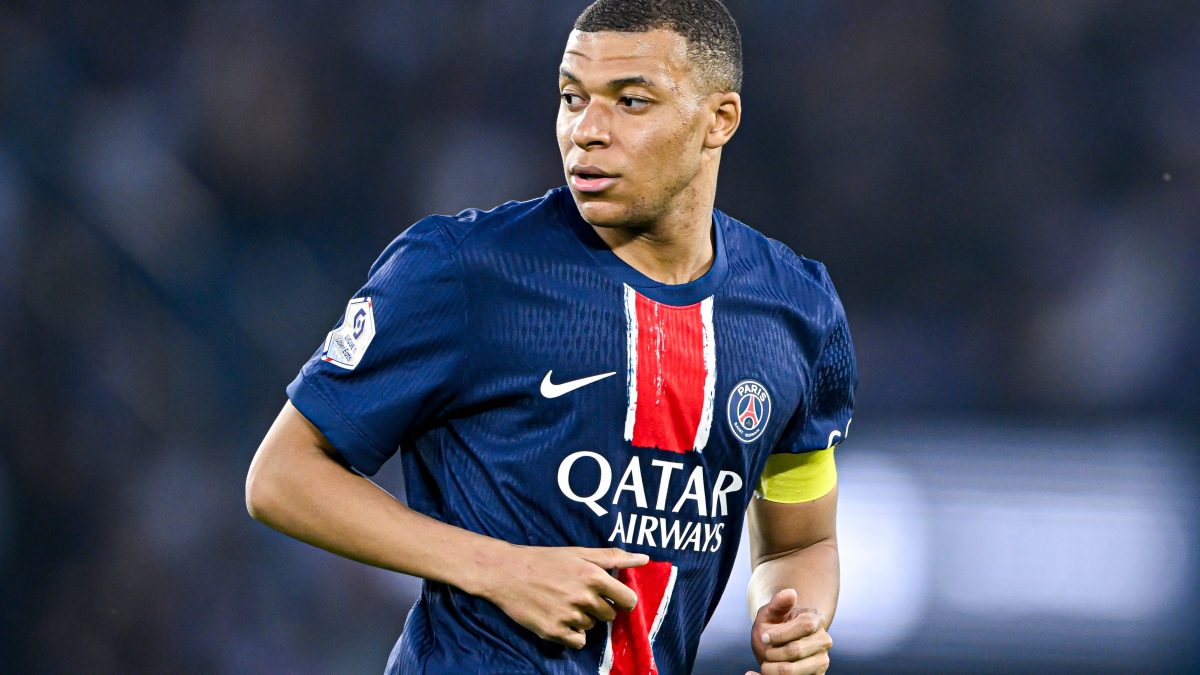
A Paris labor court just handed PSG a ruling that treats them like any other employer who didn’t pay what they owed. The club must give Kylian Mbappé €60.9 million (about $71.7 million at today’s exchange rate) for unpaid salary and bonuses from his final season before leaving for Real Madrid. That’s not damages. That’s back pay.
The court also ordered PSG to publish the judgment on their website. For a month. Which is the labor-law equivalent of making someone wear a sign.
What the money actually covers
This isn’t a single payout for hurt feelings or breach of contract in some abstract sense. The court broke it down:
- €36.6 million ($43.1 million) for a third signing-bonus installment
- €17.25 million ($20.3 million) for salary from April, May, and June 2024
- Plus paid leave and an “ethics bonus” connected to that same period
The court set Mbappé’s reference salary at €11.8 million gross per month. Roughly $13.9 million. Monthly. Which puts the scale of this dispute in perspective—three months of unpaid salary alone runs past $40 million.
Both sides swung big. Most of it missed.
The case ballooned before it shrank. Mbappé started at €55 million, then pushed his claim to €263 million at the November hearing. That expanded version included arguments for reclassifying his contract and allegations of moral harassment. PSG countered with €440 million in claims—image harm, a transfer that never happened, the whole catalog.
The court dismissed most of the issues presented. Mbappé lost the case regarding the reclassification of his contract and also lost on the matter of moral harassment. PSG’s counterclaims were unsuccessful as well. What remained was simple: they owed him money, they didn’t pay it, and now they must pay it.
The 2023 standoff
Here’s where it gets interesting. PSG’s central argument was that there was some binding arrangement from summer 2023—a deal where Mbappé would forfeit €79 million if he didn’t extend for another season. The court didn’t buy it.
That period was messy. Mbappé told PSG he wouldn’t exercise his option to extend through 2025. PSG responded by sending him to train with the “loft”—the exile group for players the club wants gone. He eventually rejoined the first team. But the core legal question was simpler than all that drama: what does the actual employment contract say, and what’s owed when it ends?
The court stuck to the contract. PSG’s theory about a side deal didn’t hold up.
Provisional enforcement means immediate payment
PSG says they’ll go along with the ruling but will still keep the option to appeal. The catch is that the decision comes with provisional enforcement. That means they have to pay now and can appeal later, but if they win the appeal, they might get their money back.
There’s also a separate case still moving through the Paris judicial court, connected to earlier league decisions. So this isn’t fully over. But for now, PSG writes a very large check.
