

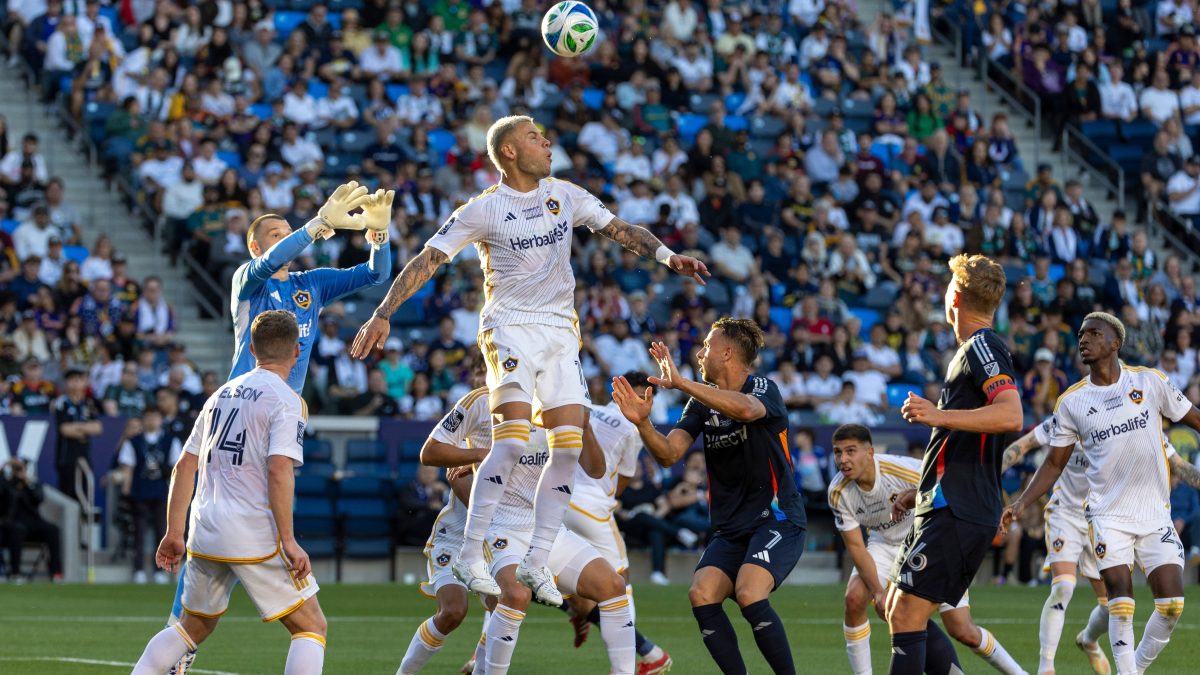
MLS has locked in a new timeline for its season, and it’s a decision that will ripple through everything, roster planning, travel, rivalries, and the meaning of a regular-season table.
The settled part comes straight from the league. MLS’s announced framework has the first full season in the new format running from late summer 2027 into late spring 2028, with a midwinter break and an empty January slate.
Before the full switch, MLS says it will stage a short Feb–May 2027 transition campaign (a reduced regular season plus playoffs), and use those results to set several 2027 tournament berths.
MLS has framed the switch as a strategy to align with the global transfer calendar. The change aims to place its most valuable games in a better scheduling window. Commissioner Don Garber called the move “one of the most important decisions in our history,” and said aligning with top leagues “will strengthen our clubs’ global competitiveness.”
What MLS has not done yet is publish the full blueprint for how the regular season will work once the calendar flips. That gap is where the next debate lives.
MLS is leaning toward a five-division setup that changes who teams see twice and how the league compares itself from top to bottom, season after season.
The working model is a heavier diet of regional games, plus one meeting each year against everyone else, with the home dates alternating by season. One consequence of regional re-drawing is that a few ‘usual’ rival pairings could become less frequent, with San Jose and D.C. among the clearest examples.
Why divisions might be the mechanism, not the message
If divisions arrive, the most meaningful shift might not be the map. It might be the schedule itself. A template that guarantees at least one match against every non-divisional opponent each season pushes MLS toward a more legible, league-wide season, even as the league spans four time zones.
The league is trying to balance rivalry logic against practical constraints.
It described alternative groupings that would keep all four California teams together. Any final map will be shaped by miles as much as tradition, because minimizing travel is the cleanest way to protect player load and operating costs.
The weather piece is unavoidable, for colder markets. The league has said it intends to limit the number of northern home games in December and February, but the new footprint still requires more winter-adjacent planning than MLS has needed in the spring-to-fall era.
There is a labor reality underneath all of it. MLS still needs agreement with the MLS Players Association, and that negotiations have raised concerns about committing to firm dates and about how long, or short, the offseason becomes. In other words, the calendar decision sets the direction, but the final shape depends on what the league and the union decide is workable.
