

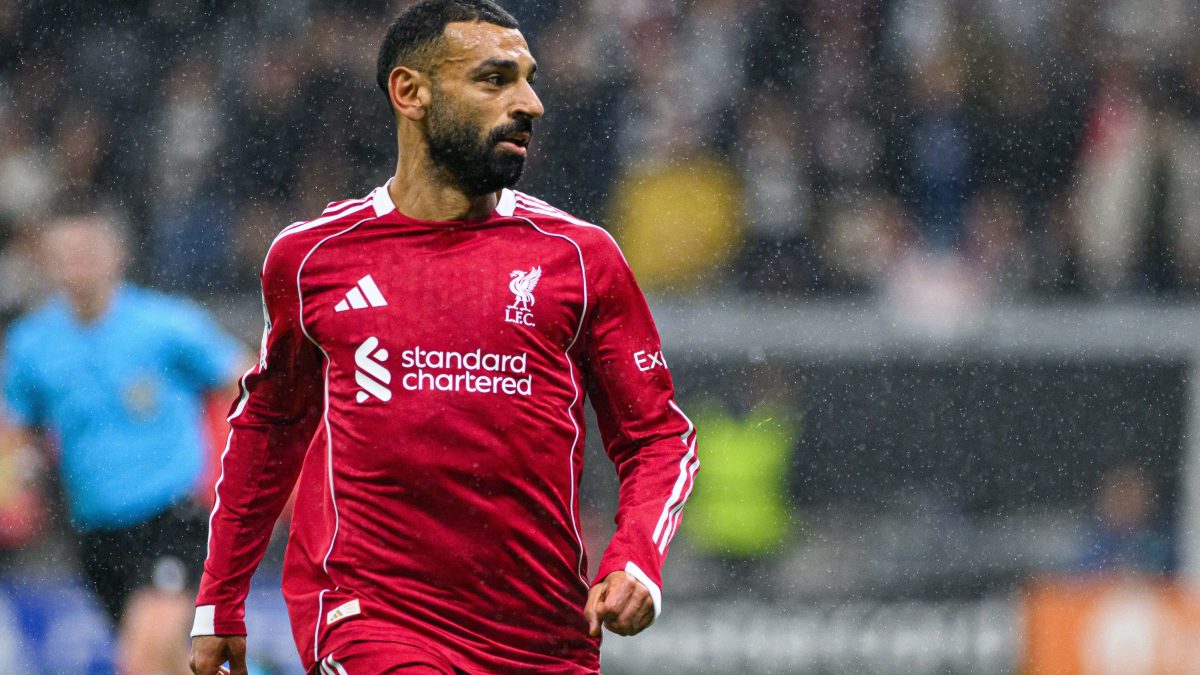
Mohamed Salah walked off the pitch at Elland Road without playing a minute, then spoke more loudly than he has in years. In a seven-plus-minute interview, he said he felt “thrown under the bus,” described broken promises, and insisted that after everything he has done for Liverpool, he should not need to prove himself every day all over again.
At the heart of it was one sentence. “I do not have to go every day fighting for my position because I earned it. I am not bigger than anyone but I earned my position.”
Salah is thirty-three, deep into his eighth season on Merseyside, and has scored only a handful of goals in nineteen appearances this campaign after carrying Liverpool to the title race with twenty-nine league goals last year. Arne Slot has left him out of three straight starting lineups and used those games to push a more collective, high-energy press.
Salah is looking at the same situation from the opposite end of the telescope. He sees a career that rewrote the club’s modern history. More than two hundred goals. A Champions League. A first league title in thirty years. A recent contract extension indicated that he remained central to the project. From his perspective, constant questions about his place now feel less like healthy competition and more like a withdrawal of respect.
Wayne Rooney accused Salah of “destroying his Liverpool legacy,” called the interview arrogant, and argued that no player, however decorated, can claim a permanent right to start.
A legend’s idea of respect
Salah kept returning to respect and trust, not tactics. He felt singled out. He said promises were made when he signed his latest deal. He described his relationship with Slot as broken. The minutes on the pitch matter less to him than whether the club still recognizes what he has banked over eight years.
Liverpool’s hierarchy is operating in a world that rarely pauses for sentiment. Modern recruitment departments are built on age curves and expected goals. There is a long recent history of icons discovering that their clubs have become ruthless meritocracies, from senior players moved on at Barcelona to veterans eased out during Real Madrid’s Champions League titles era.
Five months ago, Diogo Jota died in a car crash in Spain. The club opened books of condolence and teammates spoke of disbelief, but Salah’s own message was the most revealing. He said he was “truly lost for words” and admitted that he had never imagined being frightened of going back to Liverpool after a break. He cut short his holiday to return and grieve with the squad.
A player processing the death of a close colleague, carrying the pressure of being Liverpool’s defining star of the past decade, now finds himself dropped to the bench while a new coach tries to assert control.
When a senior player questions his manager on camera and hints at an exit on the eve of a crucial run of fixtures, it forces the club to protect the collective first. That is the core of Rooney’s complaint, and it is why voices inside and around Liverpool have described the outburst as selfish and damaging.
Salah is arguing that he earned a different kind of treatment through the years when he was the system, the finisher, the global face of the project. Liverpool are insisting that the shirt belongs to whoever performs now.
For Liverpool, Slot needs a united dressing room and a front line that runs without hesitation. For Salah, the choice is more personal. Either he recalibrates and accepts that his place sits inside the same competitive rules as everyone else, or he treats this winter as the closing chapter of his time at Anfield.
