

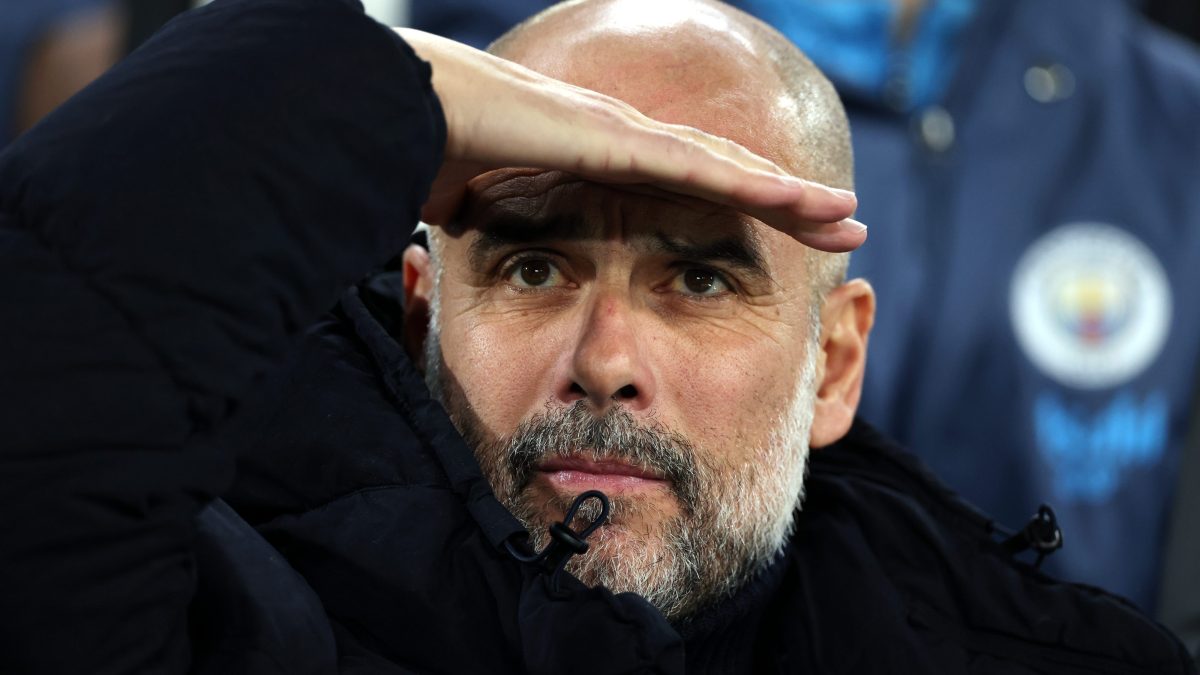
Football can’t dodge Gaza anymore. Pep Guardiola made sure of that this week.
Guardiola sat down with Catalan radio RAC1 ahead of Tuesday’s Catalonia–Palestine charity match and said things most elite managers won’t touch. The match is “much more than symbolic.” The world has abandoned Palestine. Palestinians didn’t choose to be born in a place being destroyed around them. Fill the Olympic Stadium.
He went harder than that. Politicians will do anything to keep power while civilians die. He has “very little faith in the leaders.”
Gaza’s death toll has climbed past 69,000 after two years of war that started with Hamas’s October 7 attacks. The Catalonia–Palestine game funnels all ticket revenue toward humanitarian aid, reconstruction, and cultural projects. It’s billed as tribute to more than 400 Palestinian athletes killed in Gaza. Guardiola calls Barcelona “the city of peace” and frames the night as a “cry of solidarity,” not a friendly kick-about.
From touchline tactician to political lightning rod
Guardiola spent years drawing lines between tactics and politics. Those lines disappeared a while ago.
In June he used a University of Manchester honorary degree ceremony to talk about Gaza. “It’s so painful what we see in Gaza. It hurts my whole body.” He warned people can’t look away from children being killed in hospitals and homes. The speech felt like a parent’s fear, not a politician’s program.
Spanish and Middle Eastern outlets reported he recorded a video earlier this year supporting a pro-Gaza march in Barcelona, saying “we are witnessing a live genocide” and pushing governments to act as civilians lose access to food, water, and medicine.
None of this is new behavior. A decade ago Guardiola stood on the steps of Montjuïc reading a manifesto for a Catalan independence referendum, telling 40,000 people “we have no other option but to vote.” He wore a yellow ribbon for imprisoned Catalan leaders. The English FA fined him for wearing it on the touchline.
The manager who chases tactical perfection and stacks trophies has always taken public risks. For some readers, this sits alongside debates about his trophy count, not separate from it.
His words also land in a specific club context. Manchester City sit at the center of the Abu Dhabi-owned City Football Group, a 13-team network across five continents that turned City into a political and commercial symbol as much as a sporting one. In the era of City’s £1 billion Puma deal, sponsors prefer frictionless global icons, not managers who talk about massacres, refugees, and international law.
Scroll the comments and you find Liverpool supporters pledging “new respect,” United fans saying the same. Fans across the Arab world thanking him for “humanity” and “having a spine.” City supporters insisting their club is on “the right side of history.” Then the usual pushback: politics doesn’t belong in sport, Guardiola ignores Israeli civilians, who cares what a football manager thinks. All of it playing out in real time, no one neutral.
Reddit and X threads about his RAC1 interview have been heavily upvoted in football communities. The themes repeat: admiration for a manager willing to attach “massacres” to Gaza publicly, concern about potential sponsor and governing body backlash, questions about whether other high-profile figures will follow or keep quiet.
This places Guardiola alongside a wider wave of athlete activism. Over the past decade players and coaches have knelt for Black Lives Matter, worn armbands for Ukraine, spoken about migrant workers in Qatar, pushed back on rainbow-flag bans. Palestine has often been the harder line to cross, especially in western Europe, where football institutions treat criticism of Israel as uniquely risky. Guardiola stepped over that line with unusual clarity.
What comes next
UEFA and FIFA don’t know where to draw the line. Neither does City’s ownership, but they’ll draw it somewhere. For now, he’s turned a charity match into a referendum on what football is for.
On Tuesday night in Barcelona, the Catalonia and Palestine teams walk out at Montjuïc in front of a crowd that knows it’s watching more than a preseason-style friendly. Whether you agree with Guardiola or not, his words made it harder for the sport to pretend that Palestine, Gaza, and the people living through this war exist somewhere safely outside the stadium walls.
