

One hundred four matches. Forty-eight teams. Three countries. The 2026 World Cup kicks off in Mexico City on June 11 and wraps at MetLife Stadium on July 19—with a new round of 32 wedged into the bracket for the first time.
Matches will take place in eleven different U.S. cities, with each venue featuring a unique lineup of top teams. Fans can look forward to a mix of thrilling group stage games and intense knockout rounds—but they won’t see the same matchups everywhere. That adds both excitement and unpredictability. Even before the games kick off, the schedule hints at which venues landed the marquee fixtures.
The qualified field is set. The officiating experiments are underway. Now the question is where the best games actually land.
Two ways to evaluate the host cities
There are two great ways to think about the U.S. host cities:
- The USMNT perspective — How will the U.S. men’s national team navigate their matches? Which stadiums play a key role in their journey through Group D and into the knockout rounds?
- The global fan perspective — Which cities landed the most exciting neutral matchups? Where can fans catch heavyweight knockout clashes plus the semifinals and final?
Following the USMNT trail
Group D puts the United States alongside Paraguay, Australia, and the winner of UEFA Playoff C.
- June 12 — USA vs. Paraguay at SoFi Stadium, Los Angeles
- June 19 — USA vs. Australia at Lumen Field, Seattle
- June 25 — USA vs. Playoff C Winner at SoFi Stadium, Los Angeles
The remaining Group D fixtures are spread between Levi’s Stadium in the Bay Area and BC Place in Vancouver.
The bracket makes the Bay Area and Dallas part of the American story before results even arrive:
- Win Group D → Round of 32 at Levi’s Stadium (July 1)
- Finish second → Round of 32 at AT&T Stadium, Dallas (July 3)
Los Angeles
SoFi Stadium is the USMNT’s primary base, hosting both the opening match and the final group game. The venue also features Iran vs. New Zealand, Switzerland vs. UEFA Playoff A winner, and Belgium vs. Iran. It stays relevant with two round of 32 matches and a quarterfinal—even if the U.S. exits early or the bracket takes unexpected turns.
Seattle
Seattle matters because of one game: USA vs. Australia on June 19. That match will likely sort out who finishes first and who finishes second in Group D. Lumen Field also draws Belgium vs. Egypt, a round of 32 tie, and a round of 16 game—so fans who fly in for the USMNT can stick around for knockout football without changing cities.
Bay Area
Levi’s Stadium doesn’t scream marquee matchups—Paraguay vs. Australia, Qatar vs. Switzerland, Austria vs. Jordan. But here’s the thing: if the U.S. wins Group D, their round of 32 game lands in Santa Clara. The Bay Area is where the knockout run starts.
Dallas
AT&T Stadium won’t see Group D in the opening phase, but it hosts the round of 32 meeting between the Group D runner-up and Group G runner-up. Its group slate is stacked: Netherlands vs. Japan, England vs. Croatia, Argentina vs. Austria, and Jordan vs. Argentina. The stadium later hosts another round of 32 tie, a round of 16 match, and one of the two semifinals.
The USMNT lens: Los Angeles is the primary base. Seattle is the critical second node. The Bay Area is the reward for a first-place finish. Dallas is the contingency plan baked into the bracket.
The global view: Ranking U.S. host cities
Step back and the picture shifts.
Tier 1: The heavyweights
New York/New Jersey
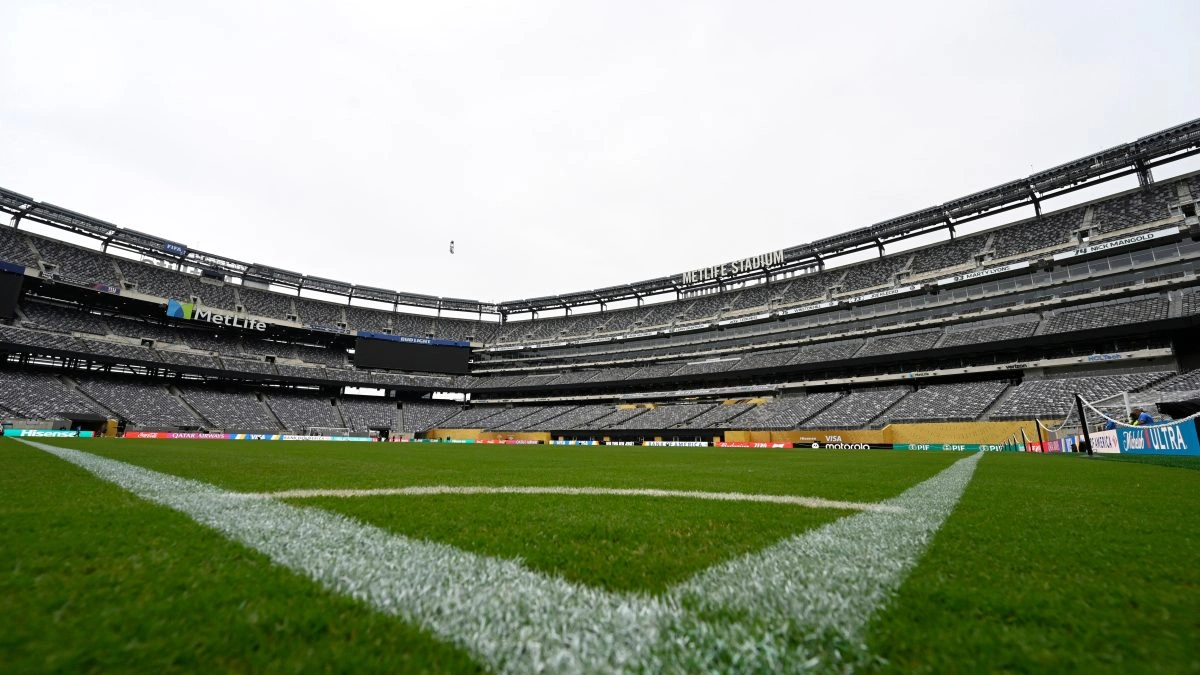
MetLife Stadium hosts the final. That alone puts it at the top. But the group stage lineup is stacked too: Brazil vs. Morocco, France vs. Senegal, Ecuador vs. Germany, Panama vs. England. The USMNT won’t play here until the knockouts (if they make it that far), but neutrals have no reason to wait.
Dallas
AT&T Stadium belongs in the first tier on volume alone. Five group matches bring the Netherlands, Japan, England, Croatia, and Argentina into town. The building keeps working through two round of 32 fixtures, a round of 16 match, and a semifinal. For sheer number of high-level nights in one place, it’s difficult to match.
Atlanta
Mercedes-Benz Stadium offers variety. The group schedule includes Spain vs. Cape Verde, Spain vs. Saudi Arabia, and Morocco vs. Haiti, followed by a round of 32 tie, a round of 16 match, and the other semifinal. One of the few venues where a supporter could arrive for the group stage and stay through the final four.
Los Angeles
Appears again because of its blend of USMNT matches, a Belgium game, and a deep knockout role.
Miami
Hard Rock Stadium’s group list features Saudi Arabia vs. Uruguay, Uruguay vs. Cape Verde, Scotland vs. Brazil, and Colombia vs. Portugal. It then stages a round of 32 fixture, a quarterfinal, and the third-place match on July 18. For a neutral who wants South American heavyweights, a European contender, and late-tournament stakes in one city, this is a strong option.
Tier 2: High-quality depth
These cities may not have finals or semifinals, but they offer dense, high-quality stretches:
- Boston (Gillette Stadium) — Haiti vs. Scotland, Scotland vs. Morocco, England vs. Ghana, Norway vs. France, a round of 32 match, and a quarterfinal
- Houston (NRG Stadium) — Germany, Portugal, and the Netherlands in the group stage, plus two knockout fixtures
- Kansas City (Arrowhead Stadium) — Argentina vs. Algeria and a quarterfinal
- Seattle (Lumen Field) — USMNT fixtures plus Brazil, France, Croatia, and key knockout ties
- Philadelphia — Mix of top-tier group games and knockout rounds
Beyond the border: Mexico and Canada
Mexico
Mexico holds the tournament’s opening night, with Mexico vs. South Africa at Estadio Azteca. Mexico’s second home group match against South Korea is set for Guadalajara, which also hosts Uruguay vs. Spain in Group H. Monterrey’s Estadio BBVA fills in the rest of Group F and a round of 32 match.
Canada
Canada’s share is narrower but tightly focused:
- Toronto (BMO Field) — Canada vs. UEFA Playoff A winner, Germany vs. Ivory Coast, Panama vs. Croatia, and a round of 32 tie
- Vancouver (BC Place) — Australia vs. UEFA Playoff C winner, Canada vs. Qatar, Canada vs. Switzerland, New Zealand vs. Belgium, plus a round of 32 match and a round of 16 game
The only way to see the Canadian and Mexican national teams in their own World Cup venues is to travel.
The bottom line
The tournament’s geography is clear. The knockout stage will primarily unfold in the United States—round of 32 matches spread across the country, semifinals in Dallas and Atlanta, and the final in New York/New Jersey. Mexico and Canada host key matches for their national teams, along with compelling neutral games.
For supporters planning a route through 2026, the real question isn’t whether a city is a winner or loser. It’s which version of the World Cup they want to step into—and how many of those routes they can follow.
And that’s before factoring in the politics and the climate.
