

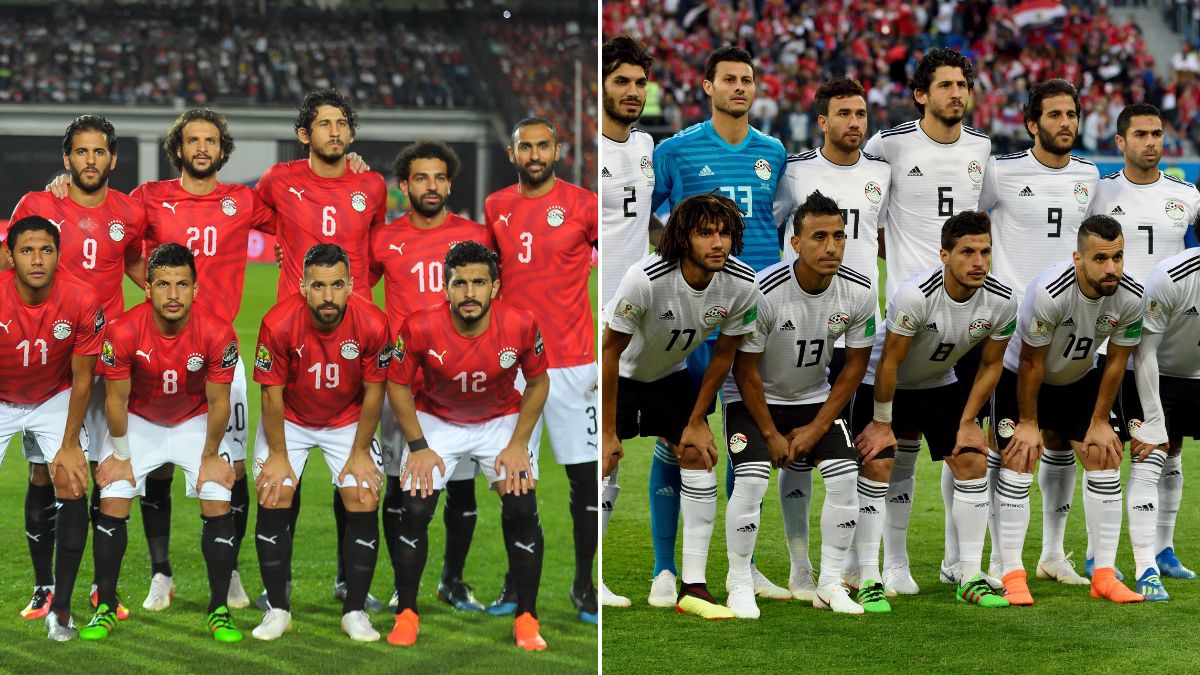
Egypt and Iran are due to meet at Lumen Field in Seattle at the 2026 World Cup this summer. Months before the draw, the local host committee chose that date for a “Pride Match,” lining it up with Seattle’s main Pride weekend and the anniversary of Stonewall. What looked like a straightforward way to show off the city’s character has turned into one of the most delicate fixtures on the schedule.
The concept itself was simple. Seattle would fold the tournament into the existing celebrations, rather than bolt something on from scratch. PrideFest would run as usual. Local artists would create World Cup-themed work. Community groups would use the extra attention to raise their own issues. Organizers spoke about a “global statement of inclusivity” and promised to keep most activity in the city’s public spaces, outside FIFA’s controlled zone.
The draw dropped two very different teams into that plan. When Egypt and Iran were placed together in Seattle, both federations moved quickly to object. Egypt’s football association said it had written to FIFA “categorically rejecting any activities related to supporting homosexuality during the match.” Iran federation president Mehdi Taj described the Pride plan as “an unreasonable and illogical move that essentially signals support for a particular group.” The point was clear. They did not want their game associated with LGBTQ symbolism in any way.
Those statements rest on legal systems that human rights monitors have long criticized. In Iran, consensual same sex relations are criminal offences for men and women, and some charges can bring the death penalty. In Egypt, homosexuality is not named directly in the criminal code. Still, prosecutors rely on vague morality and “debauchery” provisions, as well as cybercrime law, to arrest LGBTQ people and to police what they say, wear, and share in public or online.
Human rights policy meets tournament reality
The controversy around Seattle’s Pride Match is not just a culture clash. It exposes a gap between FIFA’s written commitments and the way its tournaments are run.
FIFA adopted a human rights policy in 2017 and has since required World Cup bidders to show how they will identify and address risks to vulnerable groups. For 2026, that requirement has been pushed down to each host city. Seattle, like the other North American venues, was asked to produce a human rights plan that covers discrimination, safety, and access to remedies for people who are harmed or excluded around the event. Using Pride weekend to highlight LGBTQ communities fits neatly inside that brief.
Set against that are two federations that speak for states where LGBTQ people face criminal penalties. When Egyptian officials say Pride-themed events “directly contradict the cultural, religious and social values in Arab and Islamic societies,” they are not simply complaining about a logo or a slogan. They are defending a framework in which queer people can lose jobs, freedom, and in some cases their lives for who they are or who they love. International bodies have repeatedly criticized both countries for arbitrary arrests, coerced confessions, and invasive surveillance of people perceived to be LGBTQ.
FIFA’s own rules sit uncomfortably in the middle. The statutes say the organization must respect internationally recognized human rights and promote their protection. At the same time, the governing body has often treated LGBTQ visibility as a political question. At the 2022 Qatar World Cup, several European teams dropped plans to wear the OneLove armband after being warned of sporting sanctions. Rainbow flags were formally allowed, but the signal was mixed: certain symbols would be tolerated only so long as they did not upset host authorities.
Seattle changes the balance of that conversation. This time it is a host city, not a national team, that is putting Pride at the center of its plans. The local committee has stressed that most Pride related events will take place in parks, streets, and public venues that fall under city control rather than FIFA’s. It has also highlighted partnerships with LGBTQ leaders, artists, and small businesses across Washington. Inside the stadium, FIFA has indicated that rainbow flags will be treated as permitted “sporting and social” symbols, while overtly political banners remain banned.
There is another group hovering over all of this, largely unmentioned in official press releases. LGBTQ Egyptians and Iranians, especially those in the diaspora, will see this match in a particular light. A World Cup game in a more protective legal environment could be one of the few moments where they can support their national team and show their identity without looking over their shoulder every second. Yet the same laws and practices that apply at home do not disappear when people travel. Reports describe how morality and cybercrime provisions have been used to track online behavior, entrap individuals, and target those who are visible abroad once they return.
That reality places a special burden on everyone involved in running this event. If Seattle is going to promote a Pride Match, it also has to think carefully about visibility, consent, and privacy. That could mean clear guidance on photography in official fan zones, strict rules on how data from ticketing and fan events is stored and shared, and dedicated support lines for anyone who fears retaliation linked to their appearance at the tournament. It also means working with LGBTQ organizations that already support people from Egypt, Iran, and similar environments who seek asylum or face threats when they travel.
There is a broader lesson for the tournament as a whole. If non-discrimination is really a baseline principle and not a marketing slogan, then the right to bring rainbow flags, form LGBTQ supporter groups, and celebrate safely should not depend on whether a match has been given a special label. Those protections ought to hold in Vancouver, Guadalajara, and every stop in between. In that reading, Seattle’s Pride Match is simply the most visible example of a standard that should apply everywhere, not a one-night experiment that can be watered down when a pair of federations complains.
For now, the lines are clear. Seattle’s organizers say they are continuing with their plans. Egypt and Iran insist they will keep pressing their case inside FIFA’s corridors. The governing body is under pressure to avoid another public fight over symbols and armbands. At some point, though, it will have to make a choice. When Egypt and Iran walk out at Lumen Field next June, the story will not be about tactics and scorelines alone. It will also be about whether FIFA’s human rights language has real weight, or whether it bends at the first sign of resistance.
